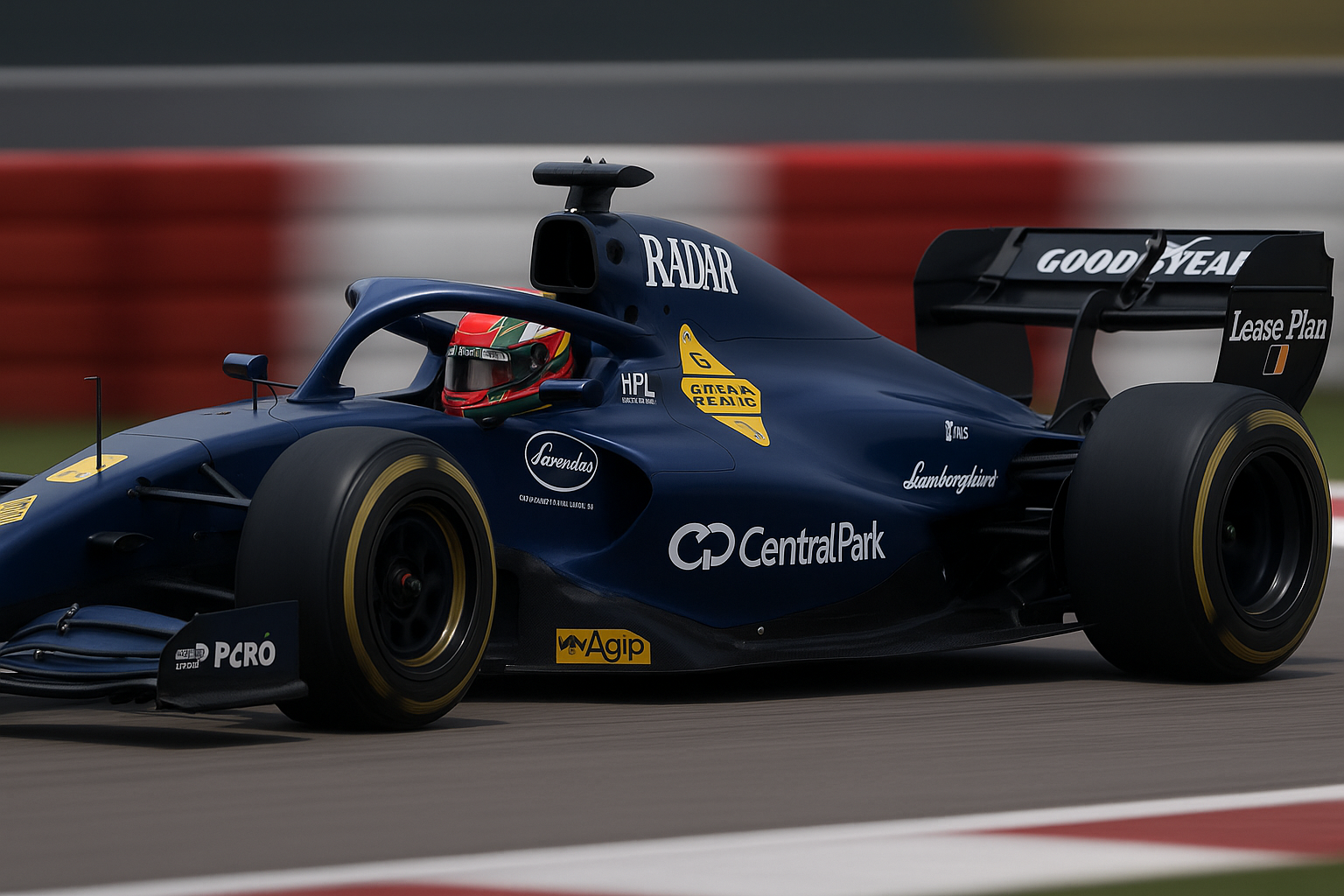
How do we accomplish that?
1. Weight and Dimensions Reduction
F1 cars should return to the weight and size levels from the 2010 season- the first year after refueling was banned. At that time, the minimum weight was 620 kg. To match that today, we need to account for modern additions like the Halo and the mandated minimum driver weight, adding about 30 kg. all together.
2. Tyres
Current tyre specs don’t correlate at all with real-world driving, so we might want to return to 13-inch wheels.
3. Battery Pack
Battery pack weight should be limited to 10 kg. Its primary function should be to store energy from braking and release it immediately in the next acceleration zone. The goal isn't strategic energy deployment, but rather pure fuel efficiency.
4. Transmission
The current number of gears is excessive:
- With electric motors providing instant torque at low RPMs, 1st, 2nd, and reverse gears are rarely used.
- The mandated gearbox minimum weight rule is becoming outdated.
- Electric motors should be used for race starts, pit stop pull aways, and reverse when needed.
5. Aero Package
I propose active front and rear wings (controlled by a FIA control unit, unified for all teams) with an adjustable range from 0 to 10 (where 0 is the least angle of attack and 10 is the most angle of attack). The biggest challenge here is: who controls it- some AI or the driver himself pressing buttons on the steering wheel every couple of seconds?
Solution: Preset Positions
Each team must declare predefined aero settings before the race weekend.
Low Speed (0 km/h, 120 km/h)

Front Wing: 9
Rear Wing: 10

Transition Point Low to Medium Speed - 121 km/h

Medium Speed (121 km/h, 260 km/h)

Front Wing: 5
Rear Wing: 6

Transition Point Medium to High Speed 261 km/h

High Speed (261 km/h +)

Front Wing: 1
Rear Wing: 0

Mode: OnBrake Pedal (Aero configuration when step on the brake)

Front Wing: 7
Rear Wing: 9

Mode: Follow (When chasing another car in dirty air increments the front wing position by certain amount)

Front Wing = Current Position + 2
These presets must be developed in the simulator before the race. This gives more importance to reserve drivers and simulation engineers.
Safety Aspect
My concern regarding active aero is the sudden balance shift- for example: following another car in a corner and transitioning at the same moment from low to medium speed setting and also with the wet weather races. But with the current regulations it is equally dangerous due to the additional unpredictable torque coming from the electric motor- reference 2024 Qualifying Brazil (5 drivers crashed), also Australia 2025 (Isack Hadjar even before the race started and Carlos Sainz) and the most spectacular example is 2025 Japan- Jack Doohan DRS accident. My point is that those types of incidents happen anyways. In defence I would reference 2011 F1 season in Qualifying mode drivers were able to open the rear wing whenever they liked.